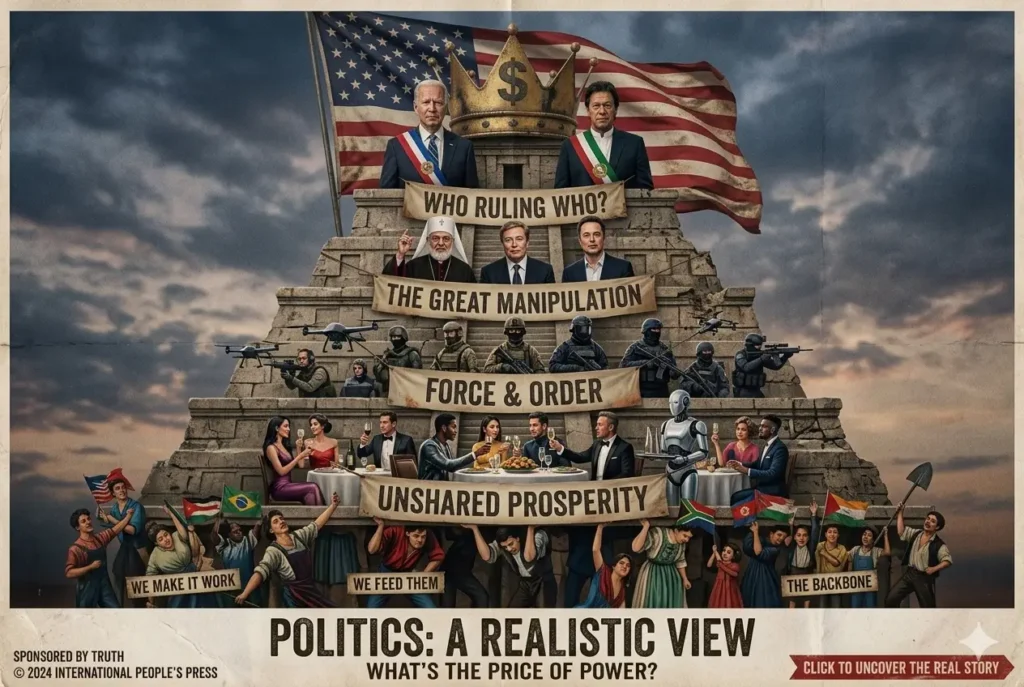
Politics Explained: Power, Trends & Global Impact 2026
Introduction
Politics shapes every aspect of human life—from the price of groceries to global peace agreements. In 2026, politics is more dynamic, interconnected, and influential than ever before. With rapid technological advancements, shifting global power structures, and increasingly engaged citizens, the political landscape continues to evolve at an unprecedented pace. Whether you’re a student, policymaker, or simply a curious reader, understanding modern politics is essential for navigating today’s world.
This in-depth guide explores everything you need to know about politics: its meaning, systems, importance, challenges, trends, and future outlook. Let’s break it all down in a way that’s easy to understand and actionable.
What is Politics?
Politics is much more than just elections and government officials; it is the fundamental process through which societies organize themselves, resolve conflicts, and make collective decisions. At its core, politics involves the distribution of power and resources within a community, whether on a local, national, or international scale. It is the art and science of governance, encompassing the creation of laws, the implementation of public policies, and the leadership required to guide a nation toward its goals.
In everyday life, politics manifests in the way we negotiate our rights, responsibilities, and values. It serves as a framework for addressing diverse viewpoints and finding common ground on issues such as education, healthcare, and the economy. From the exercise of authority in a boardroom to the legislative debates in parliament, politics is the invisible thread that connects individual interests with the welfare of the public. Understanding politics means understanding how influence is wielded and how society’s collective future is shaped by the decisions made today.
Key Elements of Politics
- Governance and decision-making
- Distribution of resources
- Power dynamics
- Public policies and laws
- Political ideologies
Simple Explanation
Politics is essentially how societies organize themselves and decide:
- Who gets what
- When they get it
- How it is distributed
Why Politics Matters in Everyday Life
Many people believe that politics is something that only happens in parliament or during elections, but the reality is that politics impacts every aspect of our daily lives. From the price of the groceries you buy to the quality of the air you breathe, political decisions are the invisible forces shaping your world. Understanding why politics matters is crucial because it determines the laws that protect your rights, the funding for the schools your children attend, and the efficiency of the healthcare system you rely on.
When we talk about the importance of politics in society, we are essentially talking about how resources are allocated and how our future is secured. For instance, economic policies directly influence your salary and job security, while social policies dictate your personal freedoms and equality. Even the infrastructure you use—the roads, public transport, and internet connectivity—is a result of political prioritization and budgeting.
By staying informed and participating in the political process, you aren’t just following the news; you are actively engaging with the system that decides your quality of life. In short, politics is not just about politicians—it is about your rights, your money, and your future.
Direct Impacts
- Taxes and income policies
- Education systems
- Healthcare services
- Employment opportunities
- Cost of living
Indirect Impacts
- Social justice and equality
- Freedom of speech
- Environmental policies
- International relations
Example
A government policy on fuel prices can directly affect transportation costs, which then increases food prices—showing how deeply politics influences everyday living.
Types of Political Systems Around the World
The landscape of global governance is incredibly diverse, with types of political systems varying significantly based on a nation’s historical journey, cultural heritage, and core social values. Understanding these systems is essential because they dictate how a country is governed and how much power is held by its citizens. From the widely practiced representative democracy to more centralized forms of authority like authoritarianism or totalitarianism, each model offers a unique approach to law-making and public administration.
Broadly speaking, political systems are categorized by who holds power. In a Democracy, power is vested in the people, typically exercised through free and fair elections. Conversely, a Monarchy relies on a traditional system where a single individual, often hereditary, serves as the head of state. There are also Theocracies, where religious law forms the basis of government, and Oligarchies, where a small elite group maintains control.
By analyzing these different forms of government, we can better understand how global stability is maintained and how individual rights are protected—or restricted—across different borders. Whether it is a Federal Republic like the USA or a Constitutional Monarchy like the UK, the political system is the backbone of a nation’s identity and its functional future.
1. Democracy
A system where people have the power to vote and elect their leaders.
Features
- Free and fair elections
- Rule of law
- Freedom of speech
Examples
- Parliamentary democracy
- Presidential democracy
2. Authoritarianism
A system where power is concentrated in one leader or a small group.
Characteristics
- Limited political freedoms
- Strong central control
- Restricted media
3. Monarchy
Rule by a king or queen.
Types
- Absolute monarchy
- Constitutional monarchy
4. Communism
A political and economic system where resources are owned collectively.
Core Idea
Equality through shared ownership of wealth and production.
5. Hybrid Systems
Many countries today operate under mixed political systems combining elements of democracy and authoritarian rule.
Political Ideologies Explained
Political ideologies are the comprehensive sets of beliefs and values that serve as a blueprint for how a society should be governed. These ideologies are not just abstract theories; they are the driving forces behind public policies, economic structures, and individual freedoms. By understanding the different types of political ideologies, citizens can better navigate the complex world of global politics and understand the motivations behind government decisions. From the emphasis on individual liberty in Liberalism to the focus on social equality in Socialism, each ideology offers a distinct vision of the “ideal” state and the role of the government in the lives of its people.
At the heart of the global political spectrum lie major frameworks such as Conservatism, which advocates for traditional values and gradual change, and Communism, which seeks a classless society through collective ownership. Modern political discourse is often a tug-of-war between these conflicting viewpoints, influencing everything from tax rates to international diplomacy. Furthermore, ideologies like Fascism, Libertarianism, and Green Politics continue to shape governance styles in unique ways, catering to different cultural and economic priorities. In today’s interconnected world, having a clear explanation of political ideologies is essential for anyone looking to understand how power is wielded and how the future of nations is steered.
Major Ideologies
1. Liberalism
- Focuses on individual freedom
- Supports democracy and equality
2. Conservatism
- Values tradition and stability
- Prefers gradual change
3. Socialism
- Advocates for wealth redistribution
- Promotes social welfare programs
4. Nationalism
- Emphasizes national identity and sovereignty
5. Populism
- Focuses on “common people” vs “elite”
Branches of Government
Most modern political systems divide power into three branches:
| Branch | Role |
|---|---|
| Executive | Implements laws |
| Legislative | Makes laws |
| Judiciary | Interprets laws |
Why This Matters
This separation prevents abuse of power and ensures checks and balances.
The Role of Elections in Politics
Elections are the foundation of democratic systems.
Types of Elections
- General elections
- Local elections
- Referendums
Why Elections Matter
- Give citizens a voice
- Ensure accountability
- Promote transparency
Modern Political Trends in 2026
Politics is constantly evolving. Here are the biggest trends shaping the world today:
1. Digital Politics
- Social media influence
- Online campaigns
- AI-driven political strategies
2. Youth Participation
- Increased political awareness
- Strong activism movements
3. Globalization vs Nationalism
- Tension between global cooperation and national interests
4. Climate Politics
- Environmental policies dominate agendas
- Green energy transitions
5. AI and Governance
- AI used in policymaking
- Ethical concerns rising
The Impact of Technology on Politics
Technology has transformed politics dramatically.
Key Influences
- Social media platforms shaping opinions
- Data analytics in campaigns
- Cybersecurity threats
Pros
- Faster communication
- Greater awareness
- Increased participation
Cons
- Misinformation
- Privacy concerns
- Political polarization
Political Participation: How Citizens Engage
Active participation strengthens democracy.
Ways to Participate
- Voting
- Protesting
- Joining political parties
- Online activism
- Community engagement
Benefits of Participation
- Stronger democracy
- Better governance
- Representation of diverse voices
Major Challenges in Modern Politics
Politics in 2026 faces several critical challenges:
1. Corruption
- Misuse of power for personal gain
2. Political Polarization
- Extreme division among citizens
3. Misinformation
- Spread of fake news
4. Economic Inequality
- Unequal wealth distribution
5. Global Conflicts
- Ongoing geopolitical tensions
How Politics Affects the Economy
Political decisions directly impact economic growth.
Key Areas
- Tax policies
- Trade agreements
- Government spending
Example
A change in interest rates or fiscal policy can influence inflation and employment levels.
International Politics & Global Relations
Global politics involves interactions between countries.
Key Components
- Diplomacy
- Trade relations
- Military alliances
Important Concepts
- Global governance
- International law
- Peace treaties
The Role of Media in Politics
Media acts as a bridge between the government and citizens.
Functions
- Informing the public
- Holding leaders accountable
- Shaping public opinion
Challenges
- Bias and propaganda
- Fake news
- Media ownership influence
Benefits of Understanding Politics
Learning about politics offers several advantages:
Personal Benefits
- Better decision-making
- Awareness of rights
Social Benefits
- Stronger communities
- Improved governance
Professional Benefits
- Career opportunities in law, governance, and public policy
Practical Tips to Stay Politically Informed
1. Follow Reliable News Sources
Avoid misinformation by choosing credible outlets.
2. Engage in Discussions
Debate respectfully to broaden understanding.
3. Verify Information
Always fact-check before sharing.
4. Participate Actively
Vote and engage in civic activities.
5. Stay Neutral & Analytical
Avoid emotional bias when analyzing political issues.
Future of Politics: What to Expect
The future of politics will be shaped by several factors:
1. AI Governance
Automation in policymaking and administration.
2. Climate Policies
Stronger environmental regulations.
3. Global Cooperation
More international alliances.
4. Citizen Empowerment
Greater public involvement through digital tools.
Frequently Asked Questions (FAQs)
1. What is politics in simple terms?
Politics is the process of making decisions for a group or society, especially regarding governance and laws.
2. Why is politics important?
It affects laws, economy, rights, and everyday life, making it essential for societal functioning.
3. What are the main types of political systems?
Democracy, authoritarianism, monarchy, communism, and hybrid systems.
4. How can I get involved in politics?
You can vote, join political groups, participate in discussions, or engage in activism.
5. What is political ideology?
It is a set of beliefs about how a society should be governed.
6. How does technology influence politics?
Through social media, data analytics, and digital campaigns, technology shapes public opinion and political strategies.
7. What are the biggest challenges in politics today?
Corruption, misinformation, polarization, and economic inequality.
8. What is the future of politics?
It will likely involve more technology, global cooperation, and increased citizen engagement.
Conclusion
Politics is not just about governments—it’s about people, power, and progress. In 2026, understanding politics is more important than ever as it directly influences economic stability, social justice, and global peace. By staying informed and actively participating, individuals can help shape a better future.
In summary, politics is not just about governments or distant legislative debates; it is the heartbeat of society that involves people, power, and the pursuit of progress. As we navigate through 2026, the importance of understanding political dynamics has reached an all-time high. Every major global shift—from the transition to green energy and AI regulation to the management of global inflation—is rooted in political decision-making. These choices directly influence economic stability, the advancement of social justice, and the maintenance of global peace. Without a clear understanding of the political landscape, citizens remain spectators in a world that is being actively reshaped by policy and power plays.
Ultimately, politics is the most powerful tool we have for collective change. By staying informed, fact-checking information in the age of digital media, and actively participating in civic duties, individuals can bridge the gap between policy and reality. Whether it is through voting, community organizing, or digital activism, your engagement is what drives a nation toward a better, more equitable future. Remember, the future isn’t just something that happens; it is something we build through our political choices and actions today.