
Is Aritzia Fast Fashion? A Complete Guide to Its Sustainability, Ethics & Business Model
Introduction
If you’re wondering is Aritzia fast fashion, you’re not alone. The Canadian retailer has built a strong reputation for premium basics, modern designs, and higher-quality clothing, but its frequent product launches have sparked debate among conscious shoppers. While Aritzia isn’t an ultra-fast fashion brand like Shein, it doesn’t fully follow the principles of slow fashion either. The company sits somewhere in the middle, balancing trend-driven collections with better craftsmanship and growing sustainability efforts. In this guide, you’ll discover whether Aritzia deserves the fast fashion label by exploring its business model, sustainability, ethical fashion, supply chain transparency, and overall environmental impact, helping you make a more informed shopping decision.
What Is Fast Fashion?
Fast fashion is a business model that produces trendy clothing quickly and sells it at affordable prices. Instead of launching only seasonal collections, fast fashion brands introduce new styles almost every week. This encourages customers to shop frequently because new products are always available.
The biggest goal of fast fashion is speed. Brands quickly turn runway styles and social media trends into affordable clothing. While this makes fashion accessible to more people, it also creates serious environmental and social problems.
Most fast fashion brands produce clothing in large quantities using low-cost manufacturing. Many garments are made from synthetic fabrics such as polyester because they are inexpensive and easy to produce. However, these materials come from petroleum, take many years to decompose, and release microplastics into the environment when washed.
Fast fashion also has a significant environmental impact. Clothing production requires large amounts of water and energy, while textile dyeing contributes to water pollution. Since many garments are worn only a few times before being discarded, the industry also creates enormous textile waste and carbon emissions.
Aritzia at a Glance
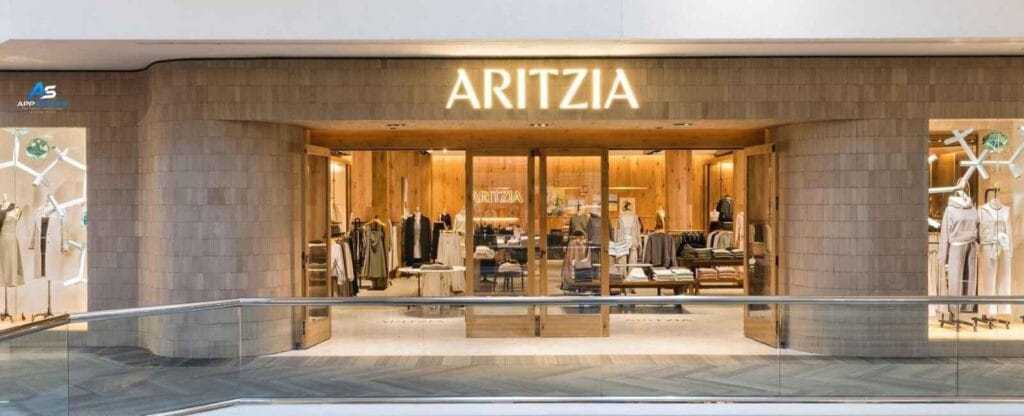
Founded in Vancouver, Canada, in 1984, Aritzia has grown into one of North America’s leading premium fashion retailers. The company is known for offering “Everyday Luxury” by combining fashionable designs with higher-quality materials and a premium shopping experience.
Unlike many retailers, Aritzia mainly sells clothing through its own exclusive brands. Popular labels include Wilfred, Babaton, TNA, Sunday Best, and Denim Forum. Each brand targets a different style, from elegant office wear to casual basics and premium denim.
One reason shoppers choose Aritzia is its focus on quality. Many of its garments feature better stitching, stronger construction, and higher-quality fabrics than those offered by budget fast fashion brands. Customers often report that Aritzia clothing lasts longer with proper care, making it a better long-term investment.
However, quality alone does not make a brand sustainable. Aritzia still releases new collections throughout the year to stay current with changing trends. While its product launches are slower than ultra-fast fashion brands like Shein, they are more frequent than traditional slow fashion companies.
Because of this balance between quality, fashion trends, and regular product launches, Aritzia occupies a unique position in the market. It is more premium than most fast fashion retailers but has not fully adopted the principles of slow fashion.
Is Aritzia Fast Fashion?
The short answer is both yes and no.
| Feature | Aritzia | Zara |
| Quality | Higher | Medium |
| Price | Higher | Lower |
| Durability | Better | Average |
| Trend Focus | Moderate | High |
| Sustainability | Improving | Improving |
| Best For | Wardrobe Staples | Trendy Fashion |
Aritzia is not an ultra-fast fashion brand like Shein or Boohoo, but it also doesn’t qualify as a true slow fashion brand. Most experts consider it a premium fashion retailer that shares some fast fashion characteristics.
Like fast fashion brands, Aritzia regularly introduces new collections and manufactures clothing on a large scale. This helps the company stay competitive and encourages customers to return for the latest styles.
However, Aritzia stands out by focusing on better-quality fabrics, stronger construction, and timeless designs rather than producing cheap, disposable clothing. Many of its pieces are designed to remain fashionable for years, helping customers build a longer-lasting wardrobe.
Does Aritzia Follow Sustainable Fashion Practices?
Aritzia has made noticeable progress toward sustainability, but it has not yet become a leader in ethical fashion. The company has introduced several initiatives to reduce its environmental impact, including using more preferred materials, improving packaging, and reducing operational waste.
One of its biggest improvements is the increased use of recycled fibers, organic cotton, and responsibly sourced wool in selected collections. These materials help lower pollution and reduce the demand for virgin resources. Aritzia has also introduced supplier standards that require manufacturing partners to follow rules related to worker safety, human rights, and ethical business practices.
Overall, Aritzia is moving in the right direction, but it still falls short of the highest standards set by leading sustainable fashion brands.
Is Aritzia Greenwashing?
Greenwashing happens when a company promotes itself as environmentally friendly without providing enough evidence to support its claims.
At present, there is no strong proof that Aritzia intentionally misleads customers. The company openly discusses its sustainability goals and has introduced meaningful improvements, such as increasing the use of preferred materials and reducing waste.
However, some critics believe Aritzia should provide more measurable data. Consumers increasingly expect brands to publish factory lists, carbon reduction targets, annual sustainability reports, and independent audits. Without this level of transparency, it can be difficult to verify environmental claims.
Instead of calling Aritzia a greenwashing brand, it is more accurate to say that the company has made progress but could strengthen public trust by sharing more detailed information about its supply chain and sustainability performance.
Aritzia vs. Fast Fashion Brands
compared with brands like Zara, H&M, and Shein, Aritzia follows a different approach.
| Feature | Aritzia | Typical Fast Fashion Brand |
| Clothing Quality | High | Moderate to Low |
| Price Range | Premium | Budget-Friendly |
| Product Launches | Regular | Very Frequent |
| Style | Timeless with Trends | Trend-Focused |
Its clothing generally offers better quality, stronger construction, and more timeless designs. Rather than focusing only on short-lived trends, Aritzia creates versatile wardrobe staples that customers can wear for several years. This makes its products more durable than many budget fast fashion alternatives.
Aritzia also releases new collections at a slower pace than ultra-fast fashion companies such as Shein. However, it still updates its product range regularly to keep up with changing trends.
The biggest difference is pricing. While fast fashion brands compete by offering the lowest prices, Aritzia positions itself as an “Everyday Luxury” brand. Customers pay more for higher-quality materials and better craftsmanship.
Pros and Cons of Shopping at Aritzia
Before shopping at Aritzia, it helps to weigh its strengths and weaknesses.
| Pros | Cons |
| Better-quality fabrics | Higher prices |
| Timeless, versatile designs | Still follows fashion trends |
| Longer-lasting clothing | Limited supply chain transparency |
| Growing sustainability efforts | Sustainability reporting could improve |
| Premium shopping experience | Not a true slow fashion brand |
For shoppers who value quality and durability, Aritzia offers a strong alternative to many budget fashion retailers. However, consumers seeking maximum transparency and ethical production may find better options elsewhere.
Conclusion : Is Aritzia Fast Fashion?
So, is Aritzia fast fashion? The answer is partly yes.
Aritzia shares several characteristics of fast fashion, including regular product launches, global manufacturing, and trend-driven collections. However, it also stands apart by offering better-quality materials, stronger construction, and more timeless designs than most mainstream fast fashion brands.
The company has also taken meaningful steps toward sustainability by using more preferred materials, improving sourcing practices, and reducing waste. Still, it has not reached the level of transparency and environmental leadership shown by the world’s top ethical fashion brands.
Ultimately, Aritzia occupies the middle ground between fast fashion and slow fashion. It delivers higher quality than most competitors while continuing to improve its sustainability efforts, making it a practical option for shoppers who want stylish clothing with greater long-term value.
FAQs
Is Aritzia an ethical brand?
Aritzia has introduced ethical sourcing policies and sustainability initiatives, but it is not considered one of the most ethical fashion brands due to limited supply chain transparency.
Is Aritzia higher quality than Zara?
Yes, Aritzia is generally considered higher quality than Zara because it uses better fabrics, stronger construction, and designs that are made to last longer.
Are Aritzia clothes high quality?
Yes, Aritzia clothing is widely known for its quality, with many pieces featuring durable materials, good stitching, and timeless designs that can last for years with proper care.
Is Aritzia considered a luxury brand?
No, Aritzia is not a luxury brand. It is best described as a premium or “everyday luxury” retailer that offers higher-quality clothing at prices below traditional luxury fashion houses.
Are we boycotting Aritzia?
There is no widespread or official boycott of Aritzia. However, some consumers choose not to shop there due to concerns about labor practices, sustainability, or customer service, while many others continue to support the brand.