
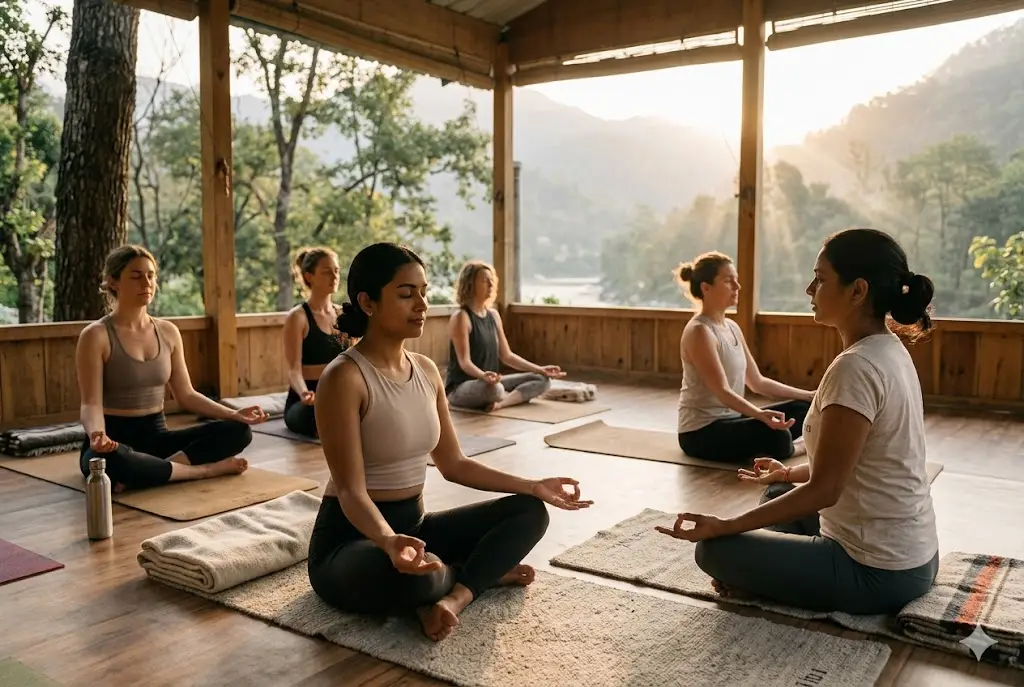
What Is Yoga? Complete Guide for Beginners
Yoga is more than just a form of exercise—it’s a complete lifestyle practice that connects your body, mind, and breath. Originating thousands of years ago, yoga has become one of the most popular wellness practices worldwide.
If you’ve ever felt stressed, tired, or disconnected from your body, yoga might be exactly what you need. It helps you slow down, focus inward, and build both physical strength and mental clarity.
In today’s fast-paced world, millions of people are turning to yoga not just for fitness, but for peace, balance, and better health.
The Origin and History of Yoga
Yoga began over 5,000 years ago in ancient India. It was first practiced by sages who wanted to understand the connection between the body and the mind.
The word “yoga” comes from the Sanskrit word “Yuj”, which means to unite. This refers to the union of mind, body, and spirit.
Over time, yoga evolved into different styles and practices. Today, it is practiced globally in homes, studios, and even workplaces.
Why Yoga Is So Popular Today
Yoga has gained massive popularity because it offers something that many modern workouts don’t—balance.
Here’s why people love yoga:
Unlike intense gym workouts, yoga allows you to move at your own pace while still getting amazing results.
Key Components of Yoga
1. Asanas (Physical Postures)
These are the poses you perform during yoga. They improve flexibility, strength, and posture.
2. Pranayama (Breathing Techniques)
Breathing plays a huge role in yoga. Controlled breathing helps calm your mind and improve oxygen flow.
3. Meditation
Meditation helps you focus and relax your mind. It reduces anxiety and improves emotional balance.
Top Benefits of Yoga
Yoga offers a wide range of benefits for both your body and mind.
Physical Benefits
Mental Benefits
Long-Term Health Benefits
Types of Yoga You Should Know
There are many styles of yoga, each with its own benefits.
Hatha Yoga
Perfect for beginners. Slow-paced and focuses on basic poses.
Vinyasa Yoga
A dynamic style that connects movement with breath.
Ashtanga Yoga
A structured and physically demanding practice.
Bikram Yoga
Practiced in a heated room to increase flexibility.
Yin Yoga
Focuses on deep stretching and relaxation.
Yoga for Beginners: How to Start
Starting yoga can feel overwhelming, but it’s actually simple.
Step-by-Step Guide
Beginner Tips
Best Yoga Poses for Beginners
Here are some easy yoga poses you can start with:
These poses help improve balance, flexibility, and strength without putting too much pressure on your body.
Yoga for Weight Loss
Many people think yoga is slow and doesn’t help with weight loss. That’s not true.
Yoga helps with weight loss by:
For better results, combine yoga with a healthy diet and regular routine.
Yoga for Mental Health
Mental health is just as important as physical health.
Yoga helps by:
Even 10 minutes of daily meditation can make a big difference.
Common Mistakes Beginners Make
Avoid these mistakes when starting yoga:
Remember, yoga is not about perfection—it’s about progress.
Daily Yoga Routine Example
Here’s a simple daily routine:
Morning (10–15 minutes):
Afternoon (optional):
Evening (15–20 minutes):
Consistency is more important than intensity.
How Yoga Improves Your Lifestyle
Yoga is not just exercise—it’s a lifestyle.
It helps you:
Over time, yoga changes how you think, feel, and live.
Scientific Backing of Yoga
Research shows that yoga:
Doctors and health experts often recommend yoga as part of a healthy lifestyle.
FAQs
Conclusion
Yoga is one of the most effective and natural ways to improve your physical and mental health. It doesn’t matter if you’re a beginner or experienced—yoga meets you where you are.
By practicing regularly, you can build strength, reduce stress, and create a healthier lifestyle. The best part? You can start today, right from your home.