
The Moment That Ends Everything
In tennis, three simple words decide victory: Tennis Game, Set, Match.
But for beginners, this phrase often feels confusing.
What does it really mean when the umpire says it? Why does scoring in tennis sound so unusual compared to other sports?
Tennis has one of the most unique scoring systems in the world. Instead of simple numbers like 1–2–3, it uses terms like love, 15, 30, 40, and then game. From there, players build sets and finally compete for the match.
In this guide, you will understand everything about tennis game set match meaning, step by step, in the simplest way possible. By the end, you will be able to watch a tennis match and actually understand what is happening.
What Does “Tennis Game, Set, Match” Mean in Tennis?
The phrase Tennis Game, Set, Match is used to declare the winner of a tennis match. It represents three levels of scoring:
When a player wins enough sets to meet the match requirement, the umpire announces:
“Tennis, Game, Set, Match!”
This means the match is over, and a winner has been decided.
Understanding Tennis Scoring System
To fully understand the phrase, you must first understand how tennis scoring works.
1. Points inside a Game
Each game starts at 0 (called love).
Points progress like this:
If both players reach 40–40, it is called deuce.
From deuce:
This is where tennis becomes exciting and unpredictable.
2. Games inside a Set
A set is made of multiple games.
To win a set:
Example:
If the score reaches 6–6, a tiebreak is used in most formats.
3. Sets inside a Match
A match is made of sets.
Different tournaments use different formats:
To win:
Once this happens, the match ends with the announcement:
Tennis Game, Set, Match
Why Tennis Uses This Unique System
Tennis scoring may seem complicated, but it has historical roots.
The system is believed to come from old French scoring methods, possibly based on clock faces and quarter divisions.
Reasons for this system include:
This structure is what makes tennis exciting for fans worldwide.
Breaking Down “Game, Set, Match” in Real Play
Let’s understand with an example:
Example Match
Player A vs Player B
Set 1:
Set 2:
Set 3:
Now Player A has won 2 sets out of 3.
The umpire announces:
Tennis Game, Set, Match – Player A!
This signals the end of the match.
Tennis Tie-Break Explained
When players reach 6–6 in a set, a tiebreak is played.
How a Tiebreak Works:
Example score:
Tiebreaks add extreme pressure and excitement.
Types of Tennis Matches
1. Singles Match
2. Doubles Match
3. Mixed Doubles
Each format still follows the same tennis game set match structure.
Why “Game, Set, Match” Is So Famous
The phrase is not just technical—it is cultural.
It symbolizes:
It is often used outside tennis to mean:
“Something is completely finished or decided.”
Example:
Common Mistakes Beginners Make
Many beginners misunderstand tennis scoring. Here are common errors:
1. Thinking Points Are Linear
Tennis does not use 1-2-3 system.
2. Confusing Games and Sets
A set is NOT a single game.
3. Ignoring Deuce Rule
You cannot win at 40–40 without advantage.
4. Misunderstanding Match Length
Matches can last hours depending on sets.
Tips to Understand Tennis Faster
If you’re a beginner, follow these tips:
This makes learning much faster.
Mental Aspect of Game, Set, Match
Tennis is not just physical—it is deeply mental.
Players must handle:
The phrase “Game, Set, Match” often comes after intense psychological battles.
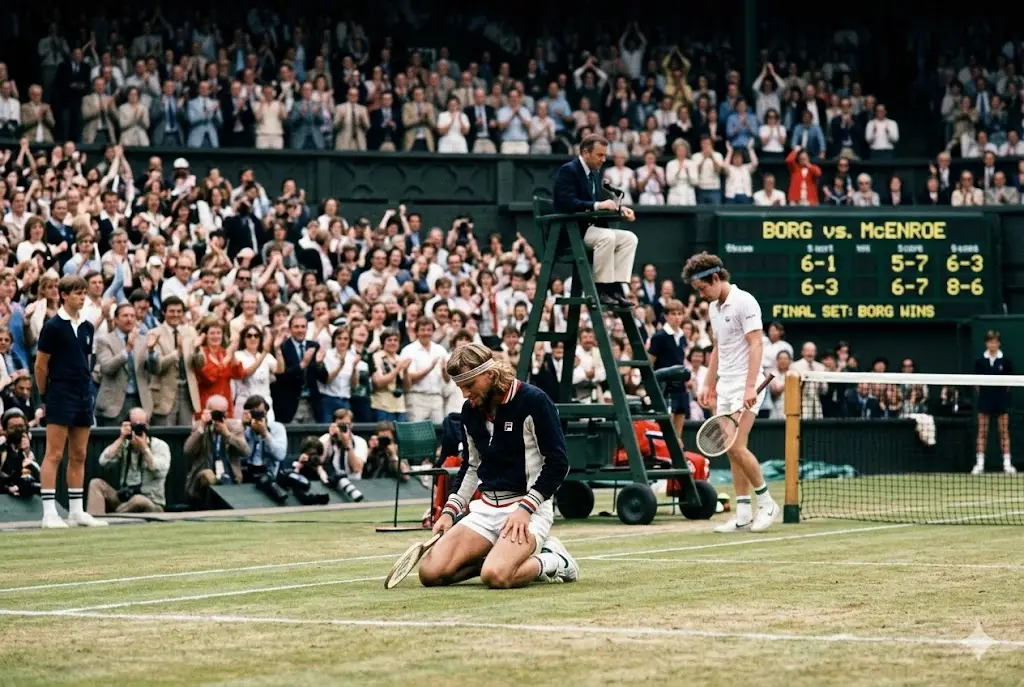
Famous Moments in Tennis History
Some of the most iconic tennis moments ended with dramatic “Game, Set, Match” calls.
These moments include:
These matches show why tennis is considered one of the most exciting sports.
Why Understanding Scoring Improves Watching Experience
Once you understand scoring:
Tennis becomes more than just hitting a ball—it becomes a strategic battle.
FAQs
Conclusion
The phrase Tennis Game, Set, Match is more than just a finishing call in tennis—it represents the entire structure of the sport.
From individual points to games, from games to sets, and finally to the match, tennis is built on a layered system that creates suspense and excitement.
Once you understand how scoring works, every match becomes easier to follow and far more enjoyable. What once looked confusing suddenly becomes a clear and thrilling competition.
Tennis is not just about hitting a ball—it is about strategy, patience, and mental strength. And when the final words are spoken— Tennis Game, Set, Match—you know the battle is complete.